THE LINEN
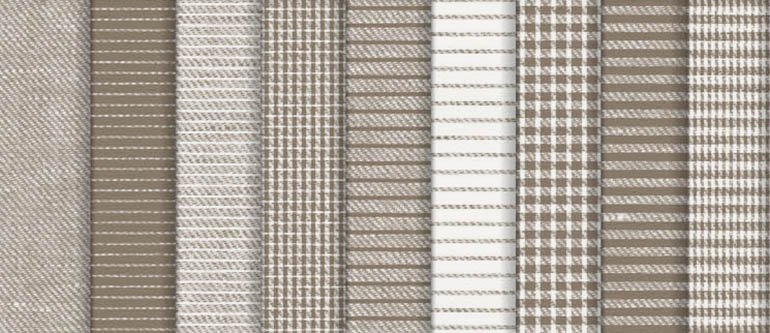
The linen is a natural fiber obtained from the linen plant (Linum usitatissimum), also known as linseed. It is one of the oldest fibers used by humankind, dating back thousands of years.
Linen fabrics are prized not only for their unique aesthetics and functional qualities, such as breath-ability and moisture absorption, but also for their durability and strength. It is a great choice for those who value natural and sustainable materials in their clothing and decor.
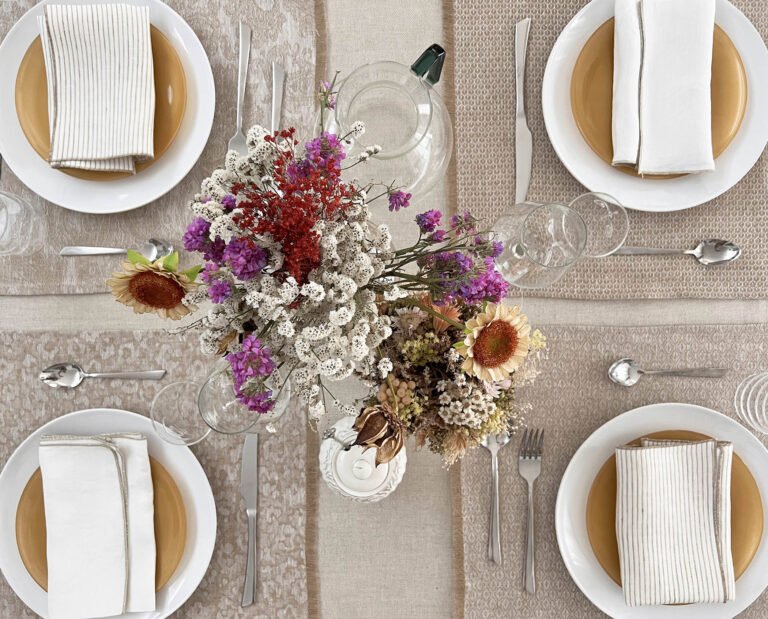
It is widely used in the textile industry for the production of clothing, decorative fabrics, and in the manufacture of textile products for bed, table and bath linens.
Linen is valued for its natural aesthetic, unique texture, and, moreover, it is biodegradable, making it a sustainable choice. It was highly valued in antiquity and often associated with wealth and comfort.
Linen is mentioned several times in the Bible, especially in the Old Testament, where it is frequently associated with priestly garments, religious rituals, and symbols of purity and holiness.
- In Ezekiel 44:17-18, there are detailed instructions on how priests should dress during temple service, emphasizing the wearing of linen clothing so as not to sweat while working.
- In the New Testament, the Gospel of Matthew (27:59) mentions that Joseph of Arimathea wrapped Jesus’ body in a “clean linen cloth” after the crucifixion, indicating an act of respect and honor in the burial.
- Symbol of Justice and Holiness: In Revelation 19:8, the garments of the saints are described as “fine linen, pure and bright” symbolizing the righteousness of the saints.
In short, linen is a versatile natural fiber, highly valued for its aesthetic, functional, environmental, historical, and symbolically sacred qualities. Therefore, I believe that linen continues to be an excellent choice for the contemporary textile industry.
JULIANA DALTIN